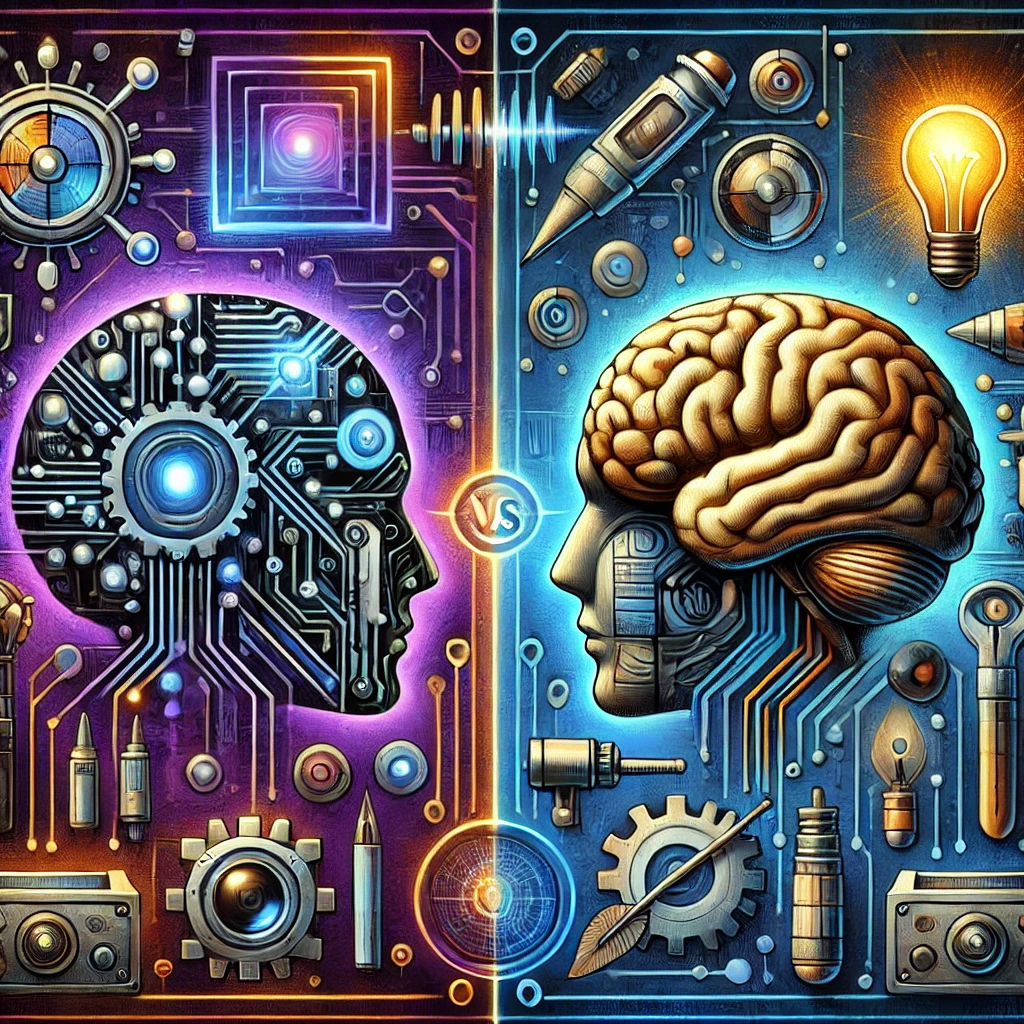
AI Evolution: Are We Outsourcing Our Intelligence?

As an AI keynote speaker, I often encounter a recurring fear: that artificial intelligence (AI) might make us less intelligent. With tools like ChatGPT capable of drafting reports or analyzing data in seconds, people worry about losing the mental capacity previously dedicated to such tasks. Some even question what AI’s constant presence means for the next generation—will they miss out on critical learning experiences because computers are doing the heavy lifting?
These concerns are valid, but they also overlook AI's potential to amplify human intelligence. Far from making us "stupid," AI is empowering us to be more productive, capable, and innovative. The truth is, AI isn’t outsourcing our intelligence—it’s redefining it.
What We’ve Already Left Behind
Every technological leap has left a trail of obsolete skills in its wake. Take the typewriter. Decades ago, workers mastered intricate tasks like feeding paper into platen rollers and adjusting key sensitivity—skills rendered unnecessary by personal computers. Similarly, AI will replace certain processes we rely on today, but it will also introduce new capabilities that redefine our potential.
This cycle of losing old skills and gaining new ones is a hallmark of progress. The typewriter master of the 1970s wouldn’t stand a chance in today’s digital workplace. But the ability to adapt is what matters most, and AI demands this adaptability at an accelerated pace.
AI Is Not the Enemy of Jobs
Let’s address a common fear: AI is not here to take jobs—it’s here to evolve them. Mastery of AI tools like ChatGPT is becoming as essential as email literacy was two decades ago. The democratization of skills enabled by AI allows workers to perform tasks that once required specialized training, leveling the playing field and expanding opportunities.
However, this transformation places responsibility on organizations to guide their teams through the change. Losing outdated skills is natural, but leaders must ensure their teams are equipped to gain new ones.
What Leaders Can Do
Organizations must prioritize AI literacy to future-proof their workforce. Here’s how:
- Lead by Example: Leaders must use AI tools themselves. By experimenting with AI, they’ll uncover opportunities and understand its potential impact firsthand.
- Foster a Culture of Experimentation: Encourage teams to explore AI tools during dedicated work hours. Collaborative AI sessions can spark innovation and uncover new applications tailored to your organization’s needs.
- Provide Structured Learning: Roll out AI training programs and workshops that go beyond surface-level introductions. Equip employees with actionable skills to integrate AI into their workflows.
- Celebrate AI Pioneers: Incentivize early adopters within your organization. Highlight their success stories to inspire others and drive enthusiasm for AI adoption.
The Future Belongs to the Curious
Imagine competing with a worker from 50 years ago. They might outperform you on a manual typewriter, but with AI, you’d accomplish more in less time. AI isn’t coddling us—it’s giving us tools to outpace outdated methods and tackle challenges previously beyond our reach.
The worry that AI will diminish us couldn’t be further from reality. By embracing AI, we are creating a smarter, more agile workforce ready to innovate. Organizations that invest in AI literacy today will position themselves as leaders in tomorrow’s economy.
The question isn’t whether AI will reshape the workplace—it already is. The real challenge is ensuring your organization and workforce are prepared to harness its full potential.
Call to Action for Organizations
To lead in the age of AI, organizations must act now. Equip your teams with the tools and knowledge to thrive in an AI-driven world. Schedule regular AI workshops, implement AI-driven strategies, and encourage a mindset of continuous learning.
AI isn’t just a tool—it’s a catalyst for innovation. Embrace it, and your organization will not only adapt but thrive in this new era of intelligence.
Alex Goryachev is a WSJ Bestselling Author and a sought-after keynote speaker specializing in AI-driven workplace transformation and innovation.
Ready to bring these AI insights to your organization? Alex Goryachev delivers AI innovation keynotes and strategic AI advisory to help business leaders navigate the AI landscape with confidence.

.svg)

