Your faculty aren't resisting AI. {They're waiting to be heard.}
Structured listening and facilitated town halls for campuses where the AI conversation has turned adversarial. Alex bridges faculty, staff, students, and administration — and translates what he hears into recommendations shared governance can actually pass.
FREQUENTLY FEATURED IN:





What separates structured dialogue from another open forum.
Unmoderated forums produce heat, not light. Surveys without visible action breed cynicism. Structure is what turns listening into change.
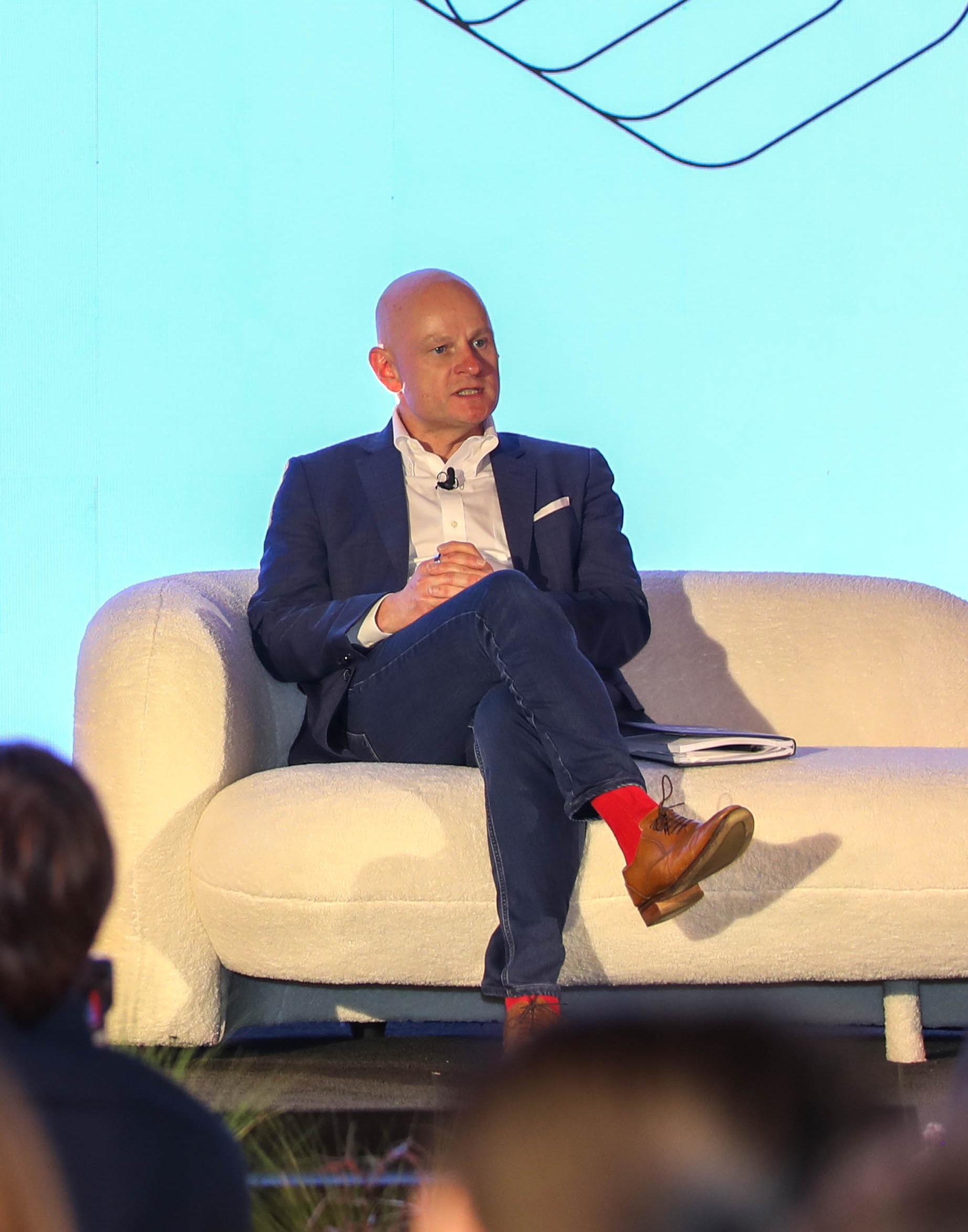
Alex Goryachev
Internal Facilitation
Survey Vendors
Concrete outputs, not another feedback survey.
Every engagement ends in something your governance bodies can vote on.
Dialogue Architecture
Session design built around your governance bodies, union landscape, and the specific fault lines on your campus — a format that worked elsewhere can fail here.
Facilitated Sessions
Town halls and listening sessions run by a facilitator faculty extend real trust to — because he works inside the largest AI deployment in academia and has nothing to sell them.
Action-Ready Synthesis
Findings delivered as recommendations framed for senate agendas, cabinet decisions, and policy drafts — so listening visibly turns into change.
How an engagement works.
Designed for polarized campuses — from a single town hall to a term-long listening architecture.
Design conversation
Where the conversation broke down, who needs to be in the room, and what leadership is prepared to act on. That last part decides everything.
Structured listening
Facilitated sessions plus methods that surface the silent middle — the faculty who decide whether adoption succeeds and never speak at the open mic.
Synthesis to action
A working session with leadership converting findings into motions, policy inputs, and visible commitments the campus can watch happen.
The playbook came from building inside universities.
As former Managing Director of Innovation Strategy and Head of Global Innovation Centers at Cisco, Alex built global innovation centers and programs inside universities and research institutions across 14 countries — a $1.1B portfolio that generated $400M+ in revenue, innovation tracks for three Olympic Games, and partnerships from Imperial College London to Keio, NUS, University of Toronto, and UNSW Sydney. That operating history is what his assessments measure against.
Countries
University-anchored innovation centers built with partners including Imperial College London, Keio, École Polytechnique, and UNSW Sydney.
Portfolio managed
Innovation strategy at Cisco run with the same discipline these assessments bring to campus: governance, measurement, ROI.
Olympic Games
Three Olympic Games — innovation programs delivered live on the world stage, with immovable deadlines, global partners, and zero tolerance for failure. That's the operating standard behind every campus engagement.
Select higher education engagements








The most expensive AI decision a university can make is the one faculty {find out about in the newspaper}.
What's the conversation your campus is avoiding?
Describe the room you're worried about. Alex replies within one business day.
Check Alex's availability
Frequently asked questions
If you don't see what you need, message Alex directly using the form above.
How do you get faculty buy-in for AI initiatives?
Faculty buy-in follows three conditions: AI gives instructors time back, faculty co-write the policies that govern their own classrooms and academic judgment stays visibly with academics. Initiatives that skip those conditions produce a senate resolution against the project. Alex Goryachev's facilitated dialogues are designed to make all three visible in the room, which is why they tend to close with agreement on next steps.
What is an AI town hall and how does it work?
An AI town hall is a facilitated campus session designed so faculty, staff and students are heard on the record and leadership leaves with something usable. Sessions are structured around the institution's existing governance bodies, comments are synthesized into themes and the cabinet receives action-ready recommendations within days. That structure keeps a town hall from turning into a grievance session. Alex Goryachev facilitates these for single campuses and multi-campus systems.
Who should facilitate a faculty dialogue about AI?
An outside facilitator with real deployment experience usually serves a faculty dialogue best, because internal facilitation inherits internal politics and faculty read the seating chart before anyone speaks. The facilitator also has to convert what gets said into policy-ready output, which most moderators cannot do. Alex Goryachev brings both: advisory work with the California State University system on one of the largest AI rollouts in public higher education, and the facilitation record of 310+ keynotes on six continents.
How do universities handle faculty resistance to AI?
Faculty resistance to AI usually points at a real problem in policy, workload or trust, so the first step is to collect it and take it seriously. Structured listening surfaces the specific objection, and visible follow-through on two or three of them buys more credibility than any presentation. Alex Goryachev's town halls put the loudest objections on the agenda and turn everyone else's views into survey data leadership can act on.
Can one town hall change a polarized campus conversation?
One well-designed town hall can reset the tone on a polarized campus, and the change holds when synthesis and visible action follow within a few weeks. Campuses that hold the session and publish nothing afterward end up worse off than before, since the exercise reads as a performance. Alex Goryachev's engagements close with recommendations formatted for senate agendas and cabinet decisions, so people who spoke up can see where their input landed.

.svg)

