Don't Fail Your AI’s New Year Resolutions

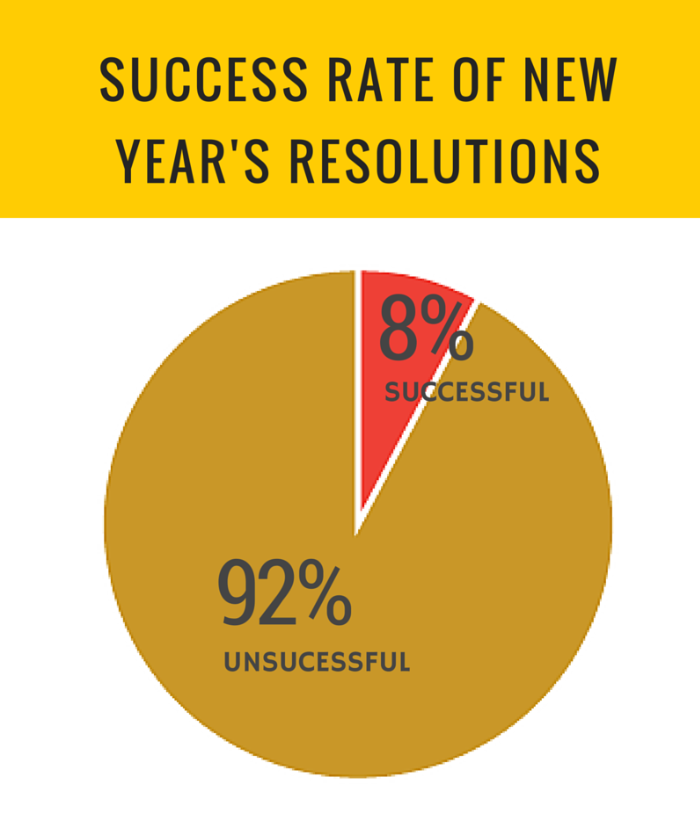
The dawn of a new year feels like the perfect time for bold ambitions and sweeping declarations, doesn’t it? But in the realm of innovation and AI adoption, as in life, chasing instant transformation often leads to disappointment. Just as most New Year’s resolutions are abandoned within 8 days, many ambitious AI initiatives falter due to a lack of focus on small, executable steps.
This isn’t just a metaphor; it’s a lesson in execution. AI, the most transformative tool of our era, thrives on incremental progress. Its potential to revolutionize industries—whether through predictive analytics, enhanced customer experiences, or streamlined operations—is real, but only for those who approach it with clarity, patience, and a culture ready to embrace change. And for businesses looking to lead in an AI-first world, there’s one key takeaway: small actions drive big results.
AI and the Power of Small Steps
In the world of AI, hype often overshadows reality. Organizations dream of overnight transformation but stumble when the reality of implementation sets in. The truth is that AI isn’t a magic wand—it’s a journey. Success comes from incremental improvements, whether training better machine learning models, refining data quality, or integrating AI seamlessly into operations.
Take a page from how AI systems themselves evolve. Machine learning algorithms improve not through singular leaps but by processing data in continuous, iterative cycles. The same principle applies to organizations. Want to lead in the age of AI? Start small, iterate, and scale thoughtfully.
Culture Eats AI for Breakfast
No matter how advanced the technology, success hinges on people. Businesses adopting AI often focus on the technical aspects—choosing the right tools, platforms, and vendors. But without a culture aligned to embrace innovation, these efforts are destined to stall. As a keynote speaker on innovation, I’ve witnessed this pattern time and again: AI adoption fails when teams resist change or don’t understand how it aligns with their work.
To truly harness AI, leaders must build a culture that prioritizes learning, experimentation, and adaptability. This means equipping employees with the skills and mindset to thrive in an AI-driven environment. It’s not enough to implement AI; organizations must empower their workforce to innovate alongside it.
What Leaders Can Learn from AI’s Approach
AI provides a powerful metaphor for leadership and innovation. Just as AI models depend on consistent, high-quality data to improve, leaders must foster consistency in their strategies and actions to drive change. Here are three actionable steps for leaders looking to make 2024 the year of impactful innovation:
- Start with a Clear Use Case
Identify one high-value problem AI can solve. Whether it’s automating routine tasks or uncovering insights from data, focus your efforts where the impact will be immediate and measurable. - Pilot, Measure, Improve
Launch a small-scale pilot to test the waters. Use the insights to refine your approach before scaling. In AI, as in life, experimentation is key to progress. - Build a Learning Culture
Empower your teams to innovate by providing training, fostering collaboration, and celebrating incremental wins. AI adoption isn’t just about technology—it’s about people.
New Year’s Resolutions for AI Leaders
As we step into 2024, consider these resolutions for driving innovation and AI success in your organization:
- Be Pragmatic: Focus on achievable goals and execute with precision.
- Stay Curious: Explore emerging AI trends and find ways to integrate them into your strategy.
- Prioritize People: Innovation thrives when people are empowered to collaborate and contribute.
The Future of AI Innovation Starts with You
As a top innovation keynote speaker, I’m often asked how organizations can prepare for the future of AI. My answer is always the same: Start small. Start now. And stay consistent. The most successful organizations don’t just chase the latest trends; they build a foundation for lasting change by taking actionable steps every day.
The New Year isn’t about starting fresh—it’s about building on what you’ve already achieved. Whether you’re a leader exploring AI adoption or a professional setting personal goals, remember this: transformation is a journey of steady progress. And when you embrace this mindset, you’re not just preparing for the future—you’re creating it.
Ready to bring these AI insights to your organization? Alex Goryachev delivers AI innovation keynotes and strategic AI advisory to help business leaders navigate the AI landscape with confidence.

.svg)

