The New Frontier: What Space Tourism Teaches Us About Innovation
A test post using the rise of commercial space tourism — Virgin Galactic, Blue Origin, and SpaceX — as a lens on how enterprises sequence innovation bets.
A test post using the rise of commercial space tourism — Virgin Galactic, Blue Origin, and SpaceX — as a lens on how enterprises sequence innovation bets.

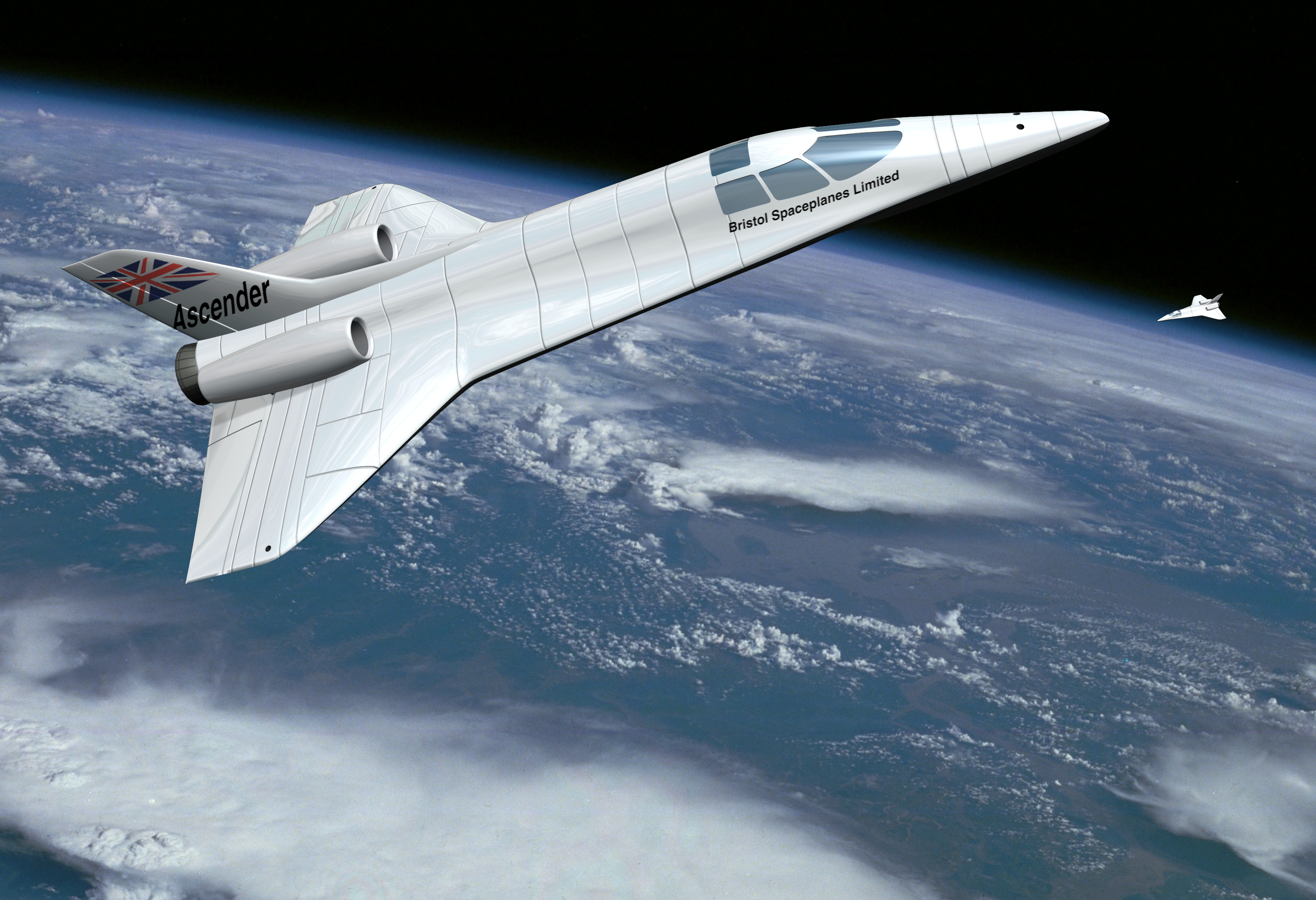
In the last five years, the price of a ticket to space has gone from theoretical to transactional. Virgin Galactic, Blue Origin, and SpaceX have each, in their own way, turned a government-only endeavor into a commercial product — and the way they got there says as much about innovation strategy as it does about rocketry.
Virgin Galactic bet on incremental, air-launched suborbital flight, prioritizing a repeatable passenger experience over raw altitude. Blue Origin went vertical and fully autonomous, treating reusability as the core engineering constraint from day one. SpaceX, meanwhile, built a reusable orbital-class rocket first for cargo and satellites, then layered tourism on top of an already-proven platform. None of these paths was obviously right in advance — each was a bet on a different set of constraints.
What's instructive isn't the destination — it's the sequencing. Each company found a narrow, defensible first use case (satellite launch, suborbital joyrides, cargo resupply) before expanding into the harder, more expensive adjacent market of human tourism. That's the same pattern that works inside large organizations: prove the capability on a bounded, lower-risk problem, then expand scope once the core technology and the trust in it are established.
Space tourism also offers an unusually clean case study in risk tolerance and public perception — two things every innovation leader has to manage, whether the stakes are a rocket or a new AI system. The organizations that will get the most out of this next wave of frontier technology are the ones willing to treat early failures as tuition, not indictment, exactly as the commercial space industry has had to.
Alex works with executive teams at global enterprises on AI strategy, governance frameworks, and organizational readiness. Available for keynotes, C-suite workshops, and advisory engagements.

.svg)

